Not sure where to start with the many types of mobile games? Most titles fit a few broad families: casual, hypercasual, midcore and hardcore. This tour shows what each feels like, so you can pick what suits your time and budget.
This guide is part of our wider look at mobile games.
| Item | Value |
|---|---|
| Midcore game revenue growth, year over year | 3% |
| Casual game revenue growth, year over year | 2.3% |
| Hypercasual (and apparently hybridcasual) revenue growth, year over year | 88%, from a low base |
| RPG revenue on Google Play | Fell 13.6%, from $5.3 billion to $4.6 billion |
| Tactical RPG growth, year over year | 56% |
These figures come from a summary of AppMagic’s monetization report. They can change with each new report, so check the source before you rely on them.
How mobile games are grouped
There is no single official list of genres. Stores, analysts and players all slice the market differently, so the same game can sit in two groups at once.
A useful first split is by audience and depth rather than by theme. Analysts commonly use these tiers:
- Hypercasual: one-tap rules, instant play.
- Casual: easy to learn, with light progression, such as tile-matching puzzles.
- Midcore: deeper systems, such as collecting, building and competing.
- Hardcore: demanding, time-heavy games aimed at dedicated players.
Within these tiers, you then find the familiar themes: puzzle, strategy, role-playing, simulation and so on.
Hypercasual and casual games
These are the games you open while waiting for a bus. Hypercasual titles have almost no tutorial: you tap, swipe or hold, and you understand the goal in seconds.
Casual games add more structure. Think of tile-matching puzzles, word games, solitaire, simple farming and hidden-object games, where levels, daily goals and small rewards keep you coming back.
Most of these games are free to download. They usually earn money through ads, and some also sell optional extras. If you want to know how those purchases work, read about how do in-app purchases work in mobile games before you spend anything.
The same report summary says hypercasual (and apparently hybridcasual) revenue grew 88% year over year, and casual revenue grew 2.3%. The hypercasual jump is measured from a low base, so it does not mean those games now dominate.
Midcore genres you will meet most often
Midcore games ask for a little more commitment. You plan, collect, upgrade and often play alongside others.
Role-playing games (RPGs)
You build a party or a hero and grow their strength over time. Many RPGs use character collection, and some use random draws; our guide on what are gacha games explains that system.
The AppMagic summary notes that RPG revenue on Google Play fell 13.6%, from $5.3 billion to $4.6 billion. It also says tactical RPGs grew 56% year over year, so the genre is shifting rather than vanishing.
Strategy games
Here you manage a base, an army or both. Sessions are often short, but the planning is long-term, and many strategy games have alliances and timed events.
Simulation and builder games
These let you run a farm, a city, a restaurant or a life. They reward patience and regular check-ins more than fast reflexes.
What hardcore and competitive games ask of you
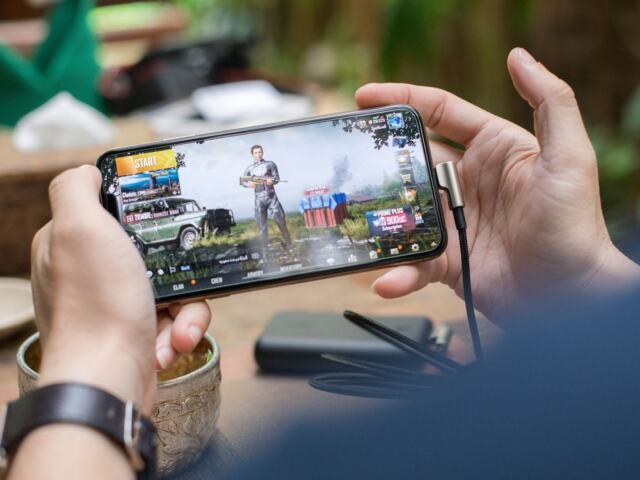
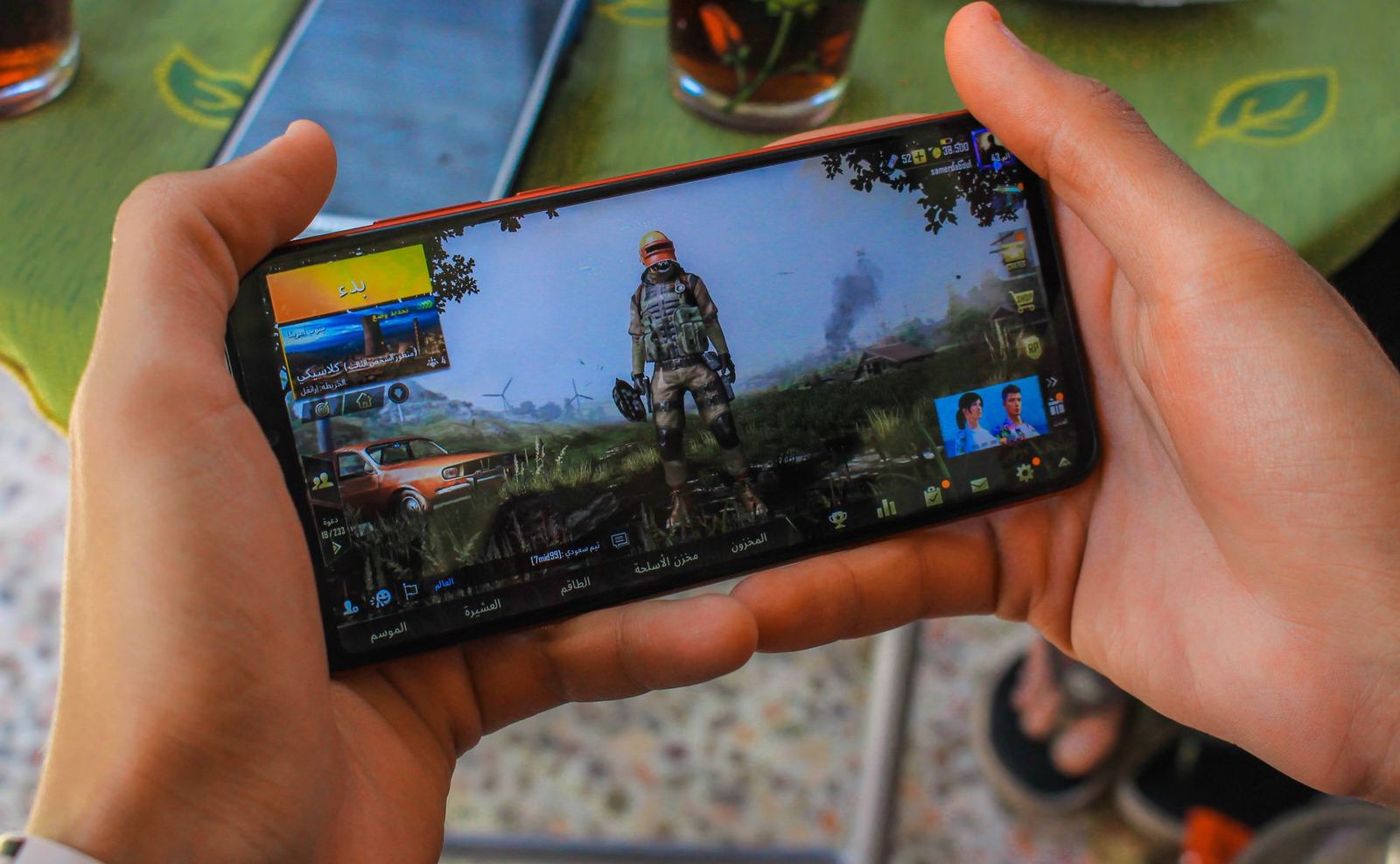
At the far end of the scale sit hardcore games. They often copy the feel of console or PC titles, with detailed controls, long matches and a lot to learn.
Examples include team-based shooters, battle royale games and multiplayer arena games. These reward practice, and your results depend on skill as well as time spent.
Before you commit, think about these costs:
- Time: matches can run for many minutes, and you cannot always pause.
- Hardware: demanding games can drain the battery and heat up older phones.
- Data: online play needs a steady connection and may use mobile data.
- Social pressure: teams and clans may expect you to be online at set times.
If those costs sound fine, hardcore games can be the most rewarding of all.
Other popular types worth knowing
Some genres cut across the tiers above. You will often see them in store charts:
- Action and shooters: fast, skill-based matches, often online.
- Racing and sports: licensed or arcade-style play with seasonal events.
- Card and board games: digital versions of tabletop favourites, plus collectible card battlers.
- Casino-style games: social slots and poker that use virtual currency.
- Adventure and narrative: story-led games you can often finish without a rush.
Hybrid games are common now. A puzzle game may add a base to decorate, or a strategy game may borrow RPG heroes.
How to choose a genre that fits you
Start with how you play. If you only have short gaps in your day, pick casual or hypercasual; if you enjoy planning, try strategy or simulation.
- Decide how long a typical session will be.
- Decide whether you want relaxing play or a challenge.
- Check whether the game is online, and whether it needs you to log in at set times.
- Read the store page for ads and in-app purchases.
- Set a spending limit before you start, or play without spending.
Try a few free games from different groups. Delete the ones that feel like chores.
Spotting how a game makes money
The genre often hints at the business model. Knowing it helps you stay in control of your time and spending.
- Ad-supported: common in hypercasual and casual games; you watch short ads, sometimes for a reward.
- In-app purchases: common in midcore games; you can buy currency, boosts or passes.
- Subscriptions: some games offer a monthly pass that removes ads or adds daily rewards.
- Paid up front: a smaller group of premium games charge once and have no ads.
Look for the “contains ads” and “offers in-app purchases” labels on the store page. Check the reviews for complaints about paywalls or constant pop-ups.
Parents can also use the phone’s built-in purchase controls, so a child’s game cannot spend without approval.
Why genres keep blending together
Developers know players get bored of one idea. So they mix a simple, casual core with the longer goals of a midcore game.
You might start a puzzle level, then spend your reward on decorating a house or upgrading a hero. This keeps sessions short while giving you a reason to return tomorrow.
For you, the lesson is simple: judge a game by what you actually do in a session, not only by its label in the store. A “puzzle” game with a base-building layer may ask for far more time than the name suggests.
Frequently asked questions
What are the main types of mobile games?
Show answer
The broad tiers are hypercasual, casual, midcore and hardcore. Themes such as puzzle, RPG, strategy and simulation sit inside those tiers.
Which type is best for beginners?
Show answer
Casual puzzle and word games are the easiest starting point. They have short levels and little to learn.
Are all mobile games free?
Show answer
Many are free to download, but they may show ads or sell optional purchases. Some games are paid up front, so check the store page.
Is a genre the same as a tier?
Show answer
No. A genre describes the theme or mechanics, while a tier describes depth and time commitment. A puzzle game can be casual, while a puzzle RPG is usually midcore.