Getting skinned again and again is frustrating. To learn how to defend in soccer games, stop lunging: stay goal-side, delay the attacker, angle your approach and let teammates cover.
This guide is part of our wider look at soccer games.
| Item | Key fact |
|---|---|
| Principle of delay | A defensive tactic that slows down the opposition’s attack |
| Main aim of delaying | Prevent a quick break, giving teammates time to organize |
| Approach | Approach at an angle, never head-on |
| Stance | Low and balanced |
These points come from Soccer Wizdom’s article on the principle of delay (November 2024). Coaching advice and game controls change, so check the source and your game’s settings before you rely on them.
Why you concede: the rush to win the ball
Rushing to win the ball is a habit worth breaking. The principle of delay says the opposite: the defender applies pressure without committing.
That forces the attacker to make a decision under pressure. Often they lose control, make a poor pass, or let your team regain its shape.
In a mobile game this feels slow at first. You are used to tapping the tackle button the moment an attacker comes close, and it works just often enough to keep the habit alive.
The trouble is the misses. A failed tackle leaves your defender on the floor or out of position, and the attacker has a clear run at your goal.
Delay first, tackle later
Delaying means you slow the attacker down rather than trying to win the ball at once. Your job in that moment is to be a wall that moves.
Hold your defender back and keep him between the ball and your goal. Let the attacker come to you, and watch for the moment the ball runs a little too far from their feet.
That moment is your trigger to tackle. Until you see it, you are buying time.
- If a teammate is close, hold the position and let them close the angle.
- If you are alone, back off slowly and keep the attacker wide.
- If the attacker stops and looks for a pass, step in and cut the lane.
A patient defender wins the ball more cleanly than a rushed one. The attacker makes the error, not you.
Body position that helps you defend
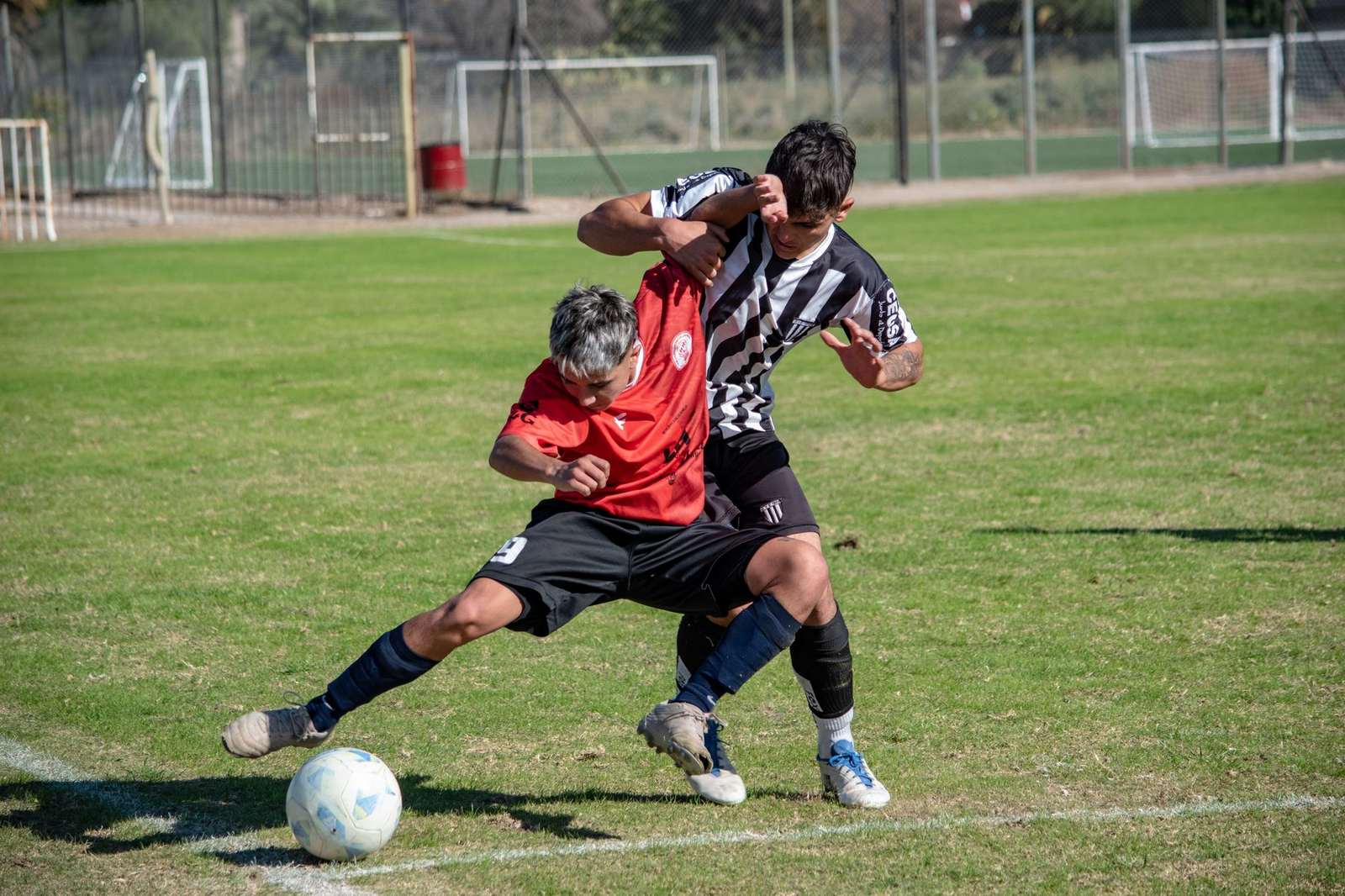
Good defending starts with where you stand. Keep your stance low and balanced, and do not approach head-on.
- Stay between the ball carrier and your goal.
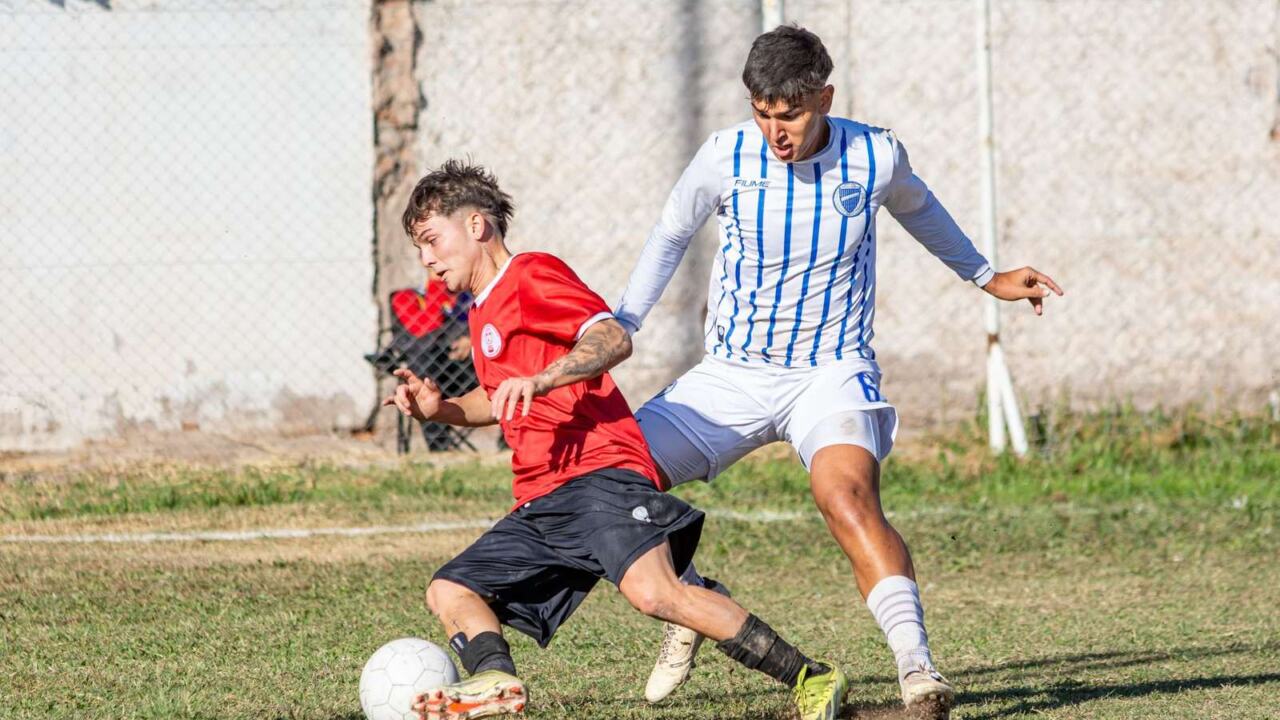
- Approach at an angle so the attacker is pushed toward one side.
- Keep your defender moving with the attacker rather than stopping dead.
- Switch to the player nearest the ball only when you need to.
Angling the approach limits the attacker’s options. Steering play toward the touchline or a crowded area is safer than leaving the middle open.
Buy time for your team
The goal of delaying is to prevent a quick break and give teammates time to organize. This allows teammates to track back and regain a strong defensive shape.
So think of defending as a team job. One player slows the attack while the others drop back, mark runners and close passing lanes.
- Spot the danger early, before the ball reaches the final third.
- Slow the ball carrier with a patient, angled approach.
- Let covering players fill the space behind you.
- Tackle only when the attacker loses control or a teammate is covering.
Most mobile soccer games let you switch between players. Use that to your advantage by moving to the defender who is best placed to cover, not just the one closest to the ball.
Reading the attack before it arrives
Strong defenders solve problems before they start. Watch where the ball is heading, not just who holds it.
Look at the runners. An attacker sprinting behind your line is a bigger threat than the player dribbling in front of you, so keep an eye on the space behind your back line.
- Check the radar or minimap if your game has one.
- Notice which side the opponent favors and shade your line toward it.
- Drop deeper when a fast attacker has the ball and space to run into.
- Step up when the attacker has their back to goal and little room.
Passing lanes matter as much as the ball carrier. If you block the easy pass, the attacker has to try something riskier, and that is when mistakes happen.
Set up your shape before the match
Your formation decides how easily you can cover each other. Read soccer formations explained to see which setups keep more players behind the ball.
For more general habits, such as practice and settings, see our tips for soccer mobile games. Both are worth a look if you keep conceding on counterattacks.
A formation is only as good as the way you use it. If your full-backs push forward every time, someone else has to cover that space, so decide before kick-off who stays back.
Keep your lines compact. When defenders and midfielders are close together, the attacker has less room to play through you.
How to defend set pieces and crosses
Corners, free kicks and crosses punish loose marking. The same ideas apply: stay organized, stay goal-side and do not chase the ball.
Before a set piece, take a second to look at where the attackers stand. Match each dangerous player with a defender so nobody is left unmarked in front of goal.
- Keep a low, balanced stance so you can react when the ball is delivered.
- Keep one player near the ball to stop a short pass or a quick shot.
- Put yourself between the attacker and the goal, so you can clear the ball first.
When the ball is crossed, go for it with intent. A half-hearted jump gives the attacker a free header, so commit only when you are sure you can reach it.
Afterwards, push out together. Moving up as a line can help teammates regain a strong defensive shape.
Common mistakes to fix
- Diving in: a missed tackle leaves a free run at goal.
- Chasing the ball: it pulls your defenders out of shape.
- Defending head-on: the attacker can simply dribble past.
- Standing still: a flat-footed defender cannot react quickly.
- Ignoring teammates: two defenders on one attacker leave someone else free.
Pick one habit per match to work on. Small, steady fixes beat trying to change everything at once.
After each match, think about the goals you conceded. Ask whether the cause was a rushed tackle, a lost runner or a gap in your shape, and fix that one thing first.
Frequently asked questions
What is the best way to stop a fast attacker?
Show answer
Delay them. Angle your approach, stay goal-side and wait for cover rather than committing to a tackle.
Should I tackle as soon as I reach the attacker?
Show answer
Usually not. Delaying applies pressure without committing, which forces a decision from the attacker.
Does this advice apply to every soccer game?
Show answer
The principles come from real-world coaching. Button layouts and AI help differ by game, so check your game’s control settings.
How do I stop conceding on counterattacks?
Show answer
Keep players behind the ball, delay the first attacker and give teammates time to get back into shape.